Portugal: a country that captures your heart and never lets go
A Country That Feels Like Coming Home
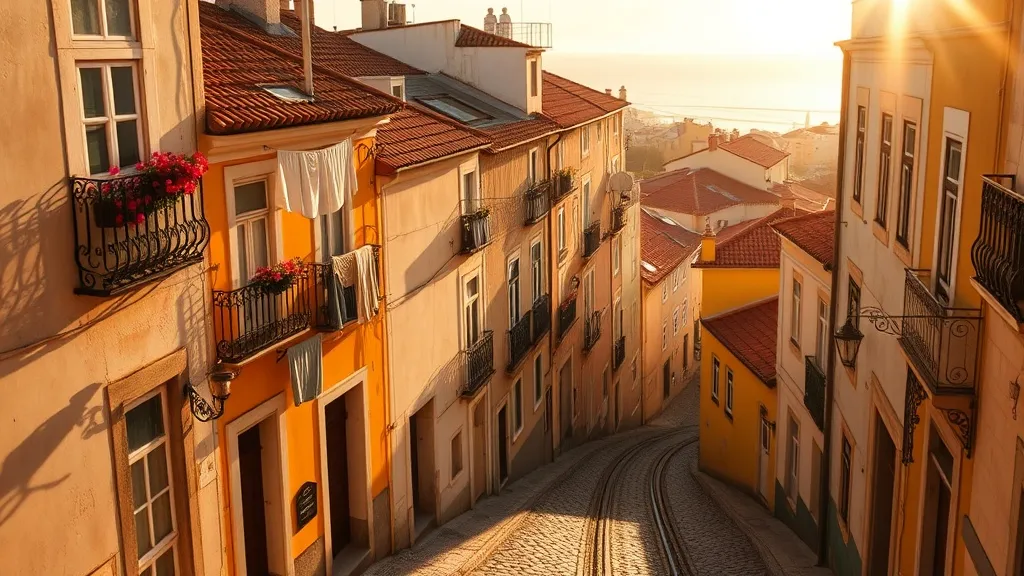
There's something about Portugal that gets under your skin. Perhaps it's the way the afternoon light falls golden over terracotta rooftops, or the sound of fado drifting from a tiny tavern in Alfama. Maybe it's the genuine warmth of the Portuguese people, who seem to understand that life is meant to be savoured slowly, preferably with a glass of wine and good company.
I've been fortunate enough to visit Portugal several times now, and each trip reveals something new. Whether you're wandering through Lisbon's seven hills, exploring Porto's riverside charm, or discovering the fairytale palaces of Sintra, this small country packs an extraordinary amount of beauty into its borders. And honestly? It's one of the most accessible and welcoming destinations in Europe for women travelling solo, with friends, or with family.
Lisbon: Where History Meets Modern Energy
Lisbon is the kind of city that rewards wanderers. Yes, those hills are challenging (comfortable shoes are absolutely essential), but around every corner waits a stunning viewpoint, a hidden courtyard café, or a street art masterpiece that makes you stop and smile.
Neighbourhoods Worth Exploring
Start in Alfama, the oldest district, where narrow alleyways wind past laundry-draped balconies and centuries-old churches. This is where you'll find authentic fado houses — those intimate venues where singers pour their souls into hauntingly beautiful songs about love, loss, and longing. Going in the evening, with a glass of Portuguese wine and plates of local cheese, is an experience you won't forget.
Baixa offers elegant plazas and shops, while Bairro Alto comes alive at night with bars and restaurants tucked into historic buildings. And don't miss Belém, where you'll find the stunning Jerónimos Monastery, the Tower of Belém, and — most importantly — the original pastéis de Belém. These custard tarts, warm from the oven and dusted with cinnamon, are worth the queue.
Getting Around
Lisbon's public transport is excellent. The iconic yellow trams, particularly the famous Tram 28, are charming but often crowded with tourists. For a more comfortable experience, consider walking the route instead — the views are actually better on foot. The metro is clean, efficient, and remarkably affordable.
One tip: pickpockets do operate in tourist areas, especially on crowded trams. Keep your bag close and your valuables secure. It's nothing to be anxious about, just something to be sensible about.
Porto: The Soul of the North
If Lisbon is Portugal's glamorous capital, Porto is its soulful older sibling. Grittier, more authentic in some ways, and absolutely captivating. The city sits along the Douro River, and standing on the Dom Luís I Bridge at sunset, watching the light paint the riverfront buildings in shades of orange and pink, is genuinely magical.
What Not to Miss
- Ribeira district: A UNESCO World Heritage site with colourful buildings, riverside restaurants, and lively atmosphere
- Livraria Lello: One of the world's most beautiful bookshops (buy tickets online to skip the queue)
- São Bento Railway Station: Even if you're not catching a train, step inside to admire the stunning azulejo tile panels depicting Portuguese history
- Port wine cellars: Cross the river to Vila Nova de Gaia for tours and tastings at historic lodges like Taylor's, Graham's, or Sandeman
Porto is smaller than Lisbon and easier to navigate on foot, though those hills remain a theme throughout Portugal. The food here tends to be heartier — this is the home of the francesinha, a sandwich so excessive it comes with a beer sauce and requires a serious appetite to finish.
Sintra: A Fairytale Day Trip
Just 40 minutes by train from Lisbon, Sintra feels like stepping into a storybook. Palaces with candy-coloured towers emerge from misty forests, and every path seems to lead somewhere enchanting.
The Pena Palace is the most famous, with its red and yellow façade perched dramatically on a hilltop. It's stunning, though it does get crowded. Arrive early if you can. The Quinta da Regaleira is equally fascinating, with its mysterious initiation wells, hidden tunnels, and romantic gardens that invite hours of exploration.
A practical note: Sintra involves a lot of walking and climbing, and the cobblestones can be slippery when damp. Proper footwear makes all the difference between an enjoyable day and a challenging one.
Beyond the Cities: The Algarve and Beyond
Portugal's southern coast, the Algarve, offers something completely different: dramatic cliffs, hidden coves, and some of the most beautiful beaches in Europe. Towns like Lagos and Faro serve as excellent bases for exploring, whether you want to kayak through sea caves, relax on golden sand, or simply enjoy fresh seafood at a beachside restaurant.
If you have time, consider venturing to the Douro Valley, where terraced vineyards cascade down hillsides to the river below. A wine tasting day trip from Porto, or even a few nights at a vineyard hotel, offers a glimpse into Portugal's winemaking traditions that stretch back centuries.
Practical Tips for Your Trip
When to Visit
Spring (April to June) and autumn (September to October) offer the best weather without the summer crowds. Temperatures are comfortable for walking, and you'll find it easier to get into popular restaurants and attractions. July and August bring heat and tourists, particularly in the Algarve.
What to Eat
Portuguese cuisine is hearty, flavourful, and remarkably affordable. Don't leave without trying:
- Bacalhau: Salt cod prepared in countless ways — the Portuguese say there's a different recipe for every day of the year
- Caldo verde: A comforting kale and potato soup
- Fresh seafood: Grilled fish, often served whole, is simple and delicious
- Pastéis de nata: Those custard tarts, eaten warm, preferably daily
Getting Around the Country
Portugal has an excellent train network connecting major cities. The journey from Lisbon to Porto takes about three hours and offers lovely views. For more remote areas, renting a car gives you freedom to explore at your own pace, though be prepared for narrow roads in older towns.
Language and People
The Portuguese are genuinely warm and helpful. English is widely spoken in tourist areas, but learning a few words of Portuguese — obrigada (thank you), bom dia (good morning) — is always appreciated. People notice when you make the effort, and it often leads to warmer interactions and better recommendations.
Why Portugal Stays With You
What makes Portugal so special isn't just the stunning landscapes or the rich history, though those certainly help. It's the pace of life, the way strangers strike up conversations in cafés, the pride people take in sharing their food and wine and stories. It's a country that feels both ancient and alive, traditional yet welcoming to newcomers.
And perhaps most importantly for those of us seeking meaningful travel experiences, Portugal doesn't demand that you rush. It invites you to sit a little longer over your coffee, to watch the sunset from a miradouro, to let the sounds of the city wash over you. In our busy lives, that permission to slow down feels like a gift.
So if Portugal has been on your list, let this be your sign. Book that trip. Pack those comfortable shoes. And prepare to fall completely in love.
About the Author
Lia Fernandes
Journalist and writer covering aging well, health, and travel after 40. Read more