
Chamomile: the gentle herb that deserves a spot in your wellness routine
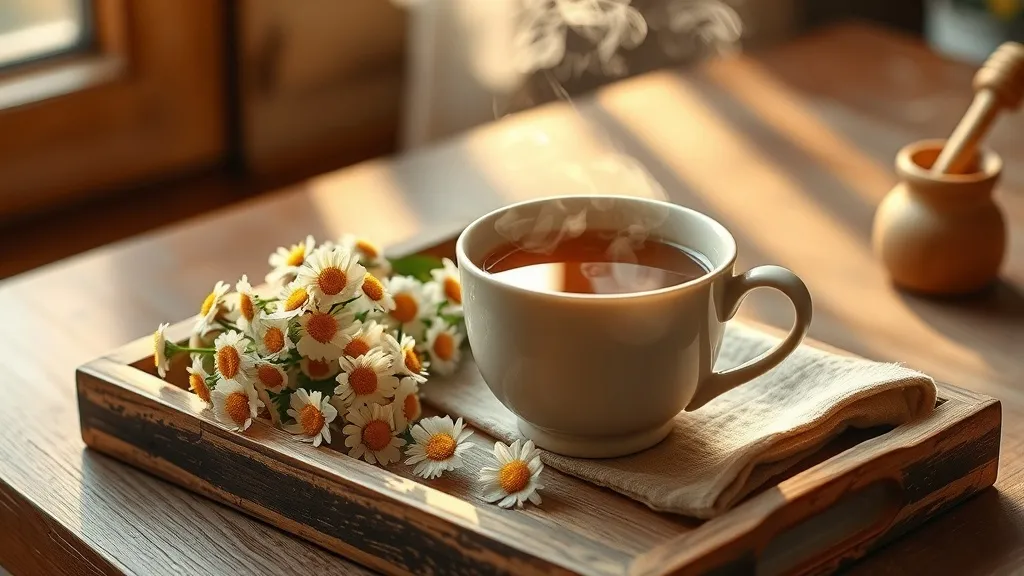
A Cup of Calm in a Chaotic World
There's something beautifully simple about chamomile. This unassuming little flower, with its white petals and golden centre, has been offering comfort to people for thousands of years. And honestly? In our busy, often overwhelming modern lives, we could all use a bit of that gentle support.
If you've ever sipped a warm cup of chamomile tea before bed, you already know that sense of quiet that seems to settle over you. But chamomile offers so much more than just a pleasant bedtime ritual. From supporting digestion to soothing irritated skin, this humble herb has earned its place in wellness traditions across cultures and centuries.
What Makes Chamomile So Special?
Chamomile belongs to the daisy family, and two varieties are most commonly used: German chamomile and Roman chamomile. Both contain beneficial compounds, though German chamomile tends to be the one you'll find most often in teas and supplements.
The magic lies in chamomile's natural chemical composition. The flowers contain flavonoids, particularly apigenin, which researchers believe is responsible for many of the herb's calming effects. Chamomile also contains terpenoids and other compounds that contribute to its gentle, supportive properties.
What I find reassuring is that chamomile has been used safely for generations. Your grandmother likely knew about it, and her grandmother before her. There's wisdom in that kind of longevity.
Benefits Worth Knowing About
Relaxation and Better Sleep
Let's start with what chamomile is most famous for: helping us unwind. Research suggests that chamomile may help promote relaxation and support healthy sleep patterns. The apigenin in chamomile appears to bind to certain receptors in the brain that help reduce feelings of restlessness.
For those of us navigating the hormonal shifts that come with our fifties and beyond, sleep can become frustratingly elusive. A warm cup of chamomile tea about thirty minutes before bed creates a lovely ritual that signals to your body it's time to wind down. It's not a miracle cure, but it's a gentle nudge in the right direction.
Digestive Comfort
Chamomile has long been used to soothe digestive discomfort. If you experience occasional bloating, mild cramping, or that uncomfortable feeling after meals, chamomile tea might offer some relief. The herb appears to have relaxing effects on the smooth muscles of the digestive tract.
In many European countries, chamomile is actually approved for treating minor digestive complaints. There's something reassuring about a remedy that's been trusted for so long.
Skin Soothing Properties
Chamomile isn't just for drinking. Applied topically, it has been used to calm irritated skin and support healing. You'll find chamomile extract in many skincare products, from creams to serums, particularly those designed for sensitive skin.
If you enjoy a bit of DIY, cooled chamomile tea can be used as a gentle face rinse or compress for tired, puffy eyes. It's a simple pleasure that feels wonderfully indulgent.
Supporting Overall Wellbeing
Beyond these specific benefits, chamomile contains antioxidants that help protect cells from oxidative stress. While no single food or herb can prevent disease, including antioxidant-rich options in your diet is generally considered supportive of overall health.
How to Enjoy Chamomile
The beauty of chamomile is its versatility. Here are some practical ways to incorporate it into your routine:
Classic Chamomile Tea
The most popular way to enjoy chamomile is as a simple tea. You can use tea bags or loose dried flowers — both work beautifully.
- Bring fresh water to a boil, then let it cool for a minute or two
- Pour over your chamomile (about one tablespoon of dried flowers or one tea bag per cup)
- Cover and steep for five to ten minutes — the longer you steep, the stronger the flavour
- Strain if using loose flowers, and enjoy
Add a drizzle of honey if you prefer a touch of sweetness. A slice of lemon is lovely too, though purists might argue it masks the delicate floral notes.
Chamomile and Honey Face Mask
For a soothing skin treatment, brew a strong cup of chamomile tea and let it cool completely. Mix two tablespoons of the cooled tea with one tablespoon of raw honey. Apply to clean skin, relax for fifteen minutes, then rinse with warm water. Your skin will feel calm and hydrated.
Chamomile in the Bath
Add a few chamomile tea bags or a handful of dried flowers to your bathwater for a relaxing soak. The gentle aroma and skin-soothing properties turn an ordinary bath into something rather special.
Cooking with Chamomile
Adventurous cooks can experiment with chamomile in the kitchen. The dried flowers can be infused into cream for desserts, added to shortbread biscuits, or used to make a delicate simple syrup for cocktails or mocktails.
Choosing Quality Chamomile
Not all chamomile products are created equal. Here's what to look for:
- Organic when possible: Since you're consuming the flowers, organic chamomile ensures you're not also consuming pesticide residues
- Whole flowers: If buying loose chamomile, look for intact flower heads rather than dusty remnants
- Fresh aroma: Good quality chamomile should smell sweet and apple-like (the name actually comes from the Greek for "ground apple")
- Reputable sources: Purchase from established tea companies or health food shops with good turnover
A Few Words of Caution
While chamomile is generally considered very safe, it's worth noting a few considerations:
- If you're allergic to plants in the daisy family (ragweed, chrysanthemums, marigolds), you might also react to chamomile
- Chamomile may interact with certain medications, including blood thinners and sedatives — if you take prescription medications, have a chat with your doctor or pharmacist before adding chamomile supplements to your routine
- Pregnant women are often advised to avoid chamomile in large amounts, though occasional tea is generally considered fine — always check with your healthcare provider
For most of us, enjoying a cup or two of chamomile tea daily is perfectly safe and can be a lovely addition to our wellness routine.
Making Chamomile Part of Your Day
The real beauty of chamomile lies not just in its benefits, but in the ritual it creates. There's something deeply satisfying about taking a few minutes to brew a proper cup of tea, to sit quietly and savour something warm and comforting.
In a world that constantly demands our attention, chamomile offers a gentle invitation to pause. Whether you're winding down after a long day, settling an upset stomach, or simply enjoying a quiet moment with your thoughts, this ancient herb is a faithful companion.
And really, isn't that what good wellness practices are all about? Not dramatic transformations or complicated regimens, but simple, sustainable habits that support us through our days. Chamomile fits that description perfectly — humble, reliable, and quietly effective.
So the next time you spot those cheerful little flowers at your local market or reach for a box of chamomile tea at the supermarket, remember you're participating in a tradition that spans centuries. That's rather lovely, isn't it?

About the Author
Lia Fernandes
Journalist and writer covering aging well, health, and travel after 40. Read more