
Creatine: the supplement that's not just for bodybuilders anymore
A Supplement Worth a Second Look
If you've ever dismissed creatine as something only serious athletes and gym-obsessed twenty-somethings care about, you're certainly not alone. For years, this supplement has been associated with bulking up and building muscle mass — not exactly the wellness goals most of us have in mind.
But here's the thing: research is painting a much more interesting picture of creatine, and it's one that's particularly relevant for women in their fifties and beyond. Far from being just a bodybuilder's secret weapon, creatine appears to play a role in maintaining muscle health, supporting brain function, and helping our bodies produce the energy we need for daily life.
So perhaps it's time we gave this humble supplement a proper introduction.
What Exactly Is Creatine?
Creatine is a naturally occurring compound that your body produces on its own, primarily in the liver, kidneys, and pancreas. It's also found in foods like red meat and fish. Your muscles store creatine and use it to produce energy during physical activity.
Think of it as a kind of energy reserve that your cells can tap into when they need a quick burst of power — whether you're climbing stairs, lifting a heavy shopping bag, or simply getting up from a chair.
The challenge? As we age, our natural creatine stores tend to decline. And since many of us eat less red meat than we once did, we may not be getting as much from our diets either. This is where supplementation enters the conversation.
Why Women Over 50 Should Pay Attention
The conversation around creatine is shifting, and for good reason. Research suggests that this supplement may offer particular benefits for older adults, especially women navigating the changes that come with menopause and beyond.
Supporting Muscle Health
Starting around age 30, we naturally begin losing muscle mass — a process that accelerates after 50. This isn't just about appearance; muscle health affects everything from balance and mobility to metabolism and bone density.
Studies suggest that creatine supplementation, particularly when combined with resistance exercise, may help support muscle strength and function. For those of us who want to stay active, independent, and capable of doing the things we love, this matters enormously.
Energy for Everyday Life
Remember when you could dash through your day without feeling depleted by mid-afternoon? While creatine won't magically restore the energy levels of your twenties, it may help your muscles produce energy more efficiently. Some women report feeling more capable during physical activities — whether that's gardening, walking with friends, or keeping up with grandchildren.
Brain Health Benefits
Perhaps the most intriguing area of creatine research involves cognitive function. Your brain is an energy-hungry organ, and creatine plays a role in providing that energy. Early research suggests that creatine supplementation may support memory and mental processing, particularly during times of stress or sleep deprivation.
While more research is needed, the possibility that creatine might support brain health as we age is genuinely exciting.
Bone Health Considerations
Strong muscles support strong bones — they're deeply interconnected systems. Some researchers are exploring whether the muscle-supporting benefits of creatine might indirectly benefit bone health as well, though this area requires further study.
What the Research Shows
Creatine is one of the most extensively studied supplements available. Research spanning decades has examined its effects on various populations, including older adults.
What makes creatine particularly interesting is that it's been studied in real-world contexts — not just in elite athletes, but in everyday people looking to maintain their health and function. The overall body of evidence suggests it's both effective and well-tolerated when used appropriately.
That said, research is ongoing, and scientists continue to explore exactly how creatine works and who might benefit most from supplementation.
Common Concerns Addressed
Let's tackle some of the worries that often come up when discussing creatine:
"Will it make me bulky?"
This is probably the most common misconception. Creatine doesn't cause dramatic muscle growth on its own — that requires specific, intensive training and often other factors. For most women, creatine simply helps muscles function better and may support modest improvements in strength and tone.
"Is it safe?"
Creatine monohydrate (the most common and well-researched form) has an excellent safety profile when used as directed. It's been studied for decades with no serious adverse effects reported in healthy individuals.
However — and this is important — if you have kidney disease, liver problems, or any chronic health condition, or if you take prescription medications, please speak with your doctor before starting any new supplement. This isn't about creatine being dangerous; it's about making sure any supplement fits your individual health picture.
"Will it cause water retention?"
Some people do experience mild water retention when they first start taking creatine, as muscles draw in more water. This typically settles down and isn't the same as bloating or fat gain. Most women find any initial water weight minimal and temporary.
How to Include Creatine in Your Routine
If you're curious about trying creatine, here are some practical considerations:
- Choose creatine monohydrate: This is the most researched form and typically the most affordable. Fancy variations aren't necessarily better.
- Consistency matters: Creatine works by building up stores in your muscles over time, so regular use is more important than timing.
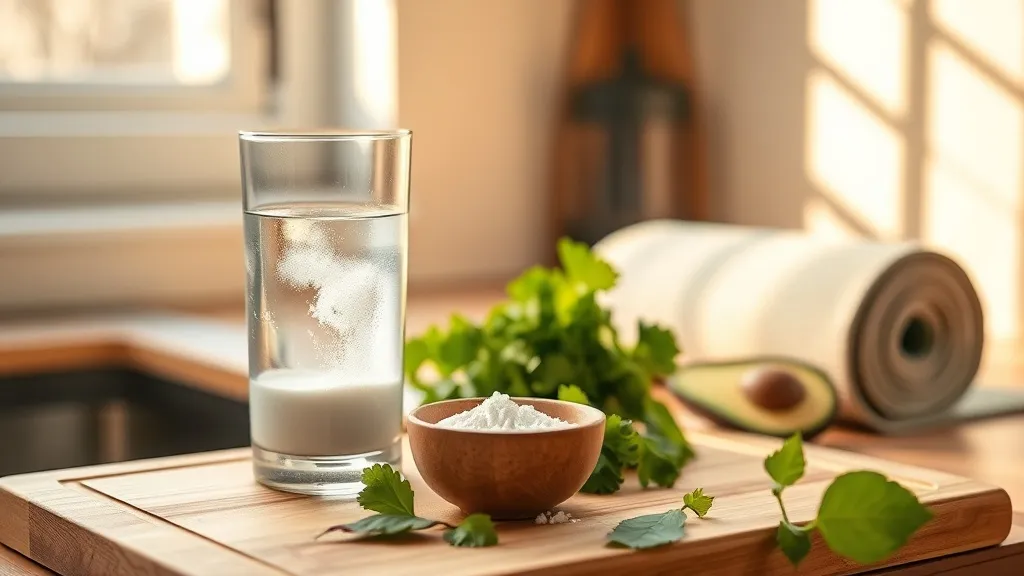
- Mix it with liquid: Creatine powder dissolves easily in water, juice, or smoothies. It has virtually no taste.
- Stay hydrated: Since creatine draws water into muscles, drinking plenty of fluids throughout the day is sensible.
- Pair with movement: While creatine offers benefits on its own, combining it with regular physical activity — especially some form of resistance exercise — appears to enhance its effects.
A Note on Quality
As with any supplement, quality matters. Look for products from reputable manufacturers, ideally those that have been third-party tested for purity. The supplement industry isn't as tightly regulated as pharmaceuticals, so doing a bit of research before purchasing is worthwhile.
The Bigger Picture
Creatine isn't a magic solution, and no supplement ever replaces the fundamentals: nutritious food, regular movement, adequate sleep, and staying connected to the people and activities that bring us joy. But as part of a thoughtful approach to healthy ageing, creatine may be worth considering.
What I find encouraging is that we're learning more all the time about how to support our bodies through this stage of life. The old narrative that decline is inevitable is being replaced with something more hopeful — an understanding that we have real tools and choices that can make a difference.
So if creatine has been on your radar, perhaps dismissed as "not for people like me," it might be time to reconsider. As always, have a conversation with your healthcare provider to see if it's appropriate for your situation. But don't let outdated stereotypes keep you from exploring something that might genuinely support your health and vitality.
After all, the best time to invest in staying strong and capable is right now.

About the Author
Lia Fernandes
Journalist and writer covering aging well, health, and travel after 40. Read more